
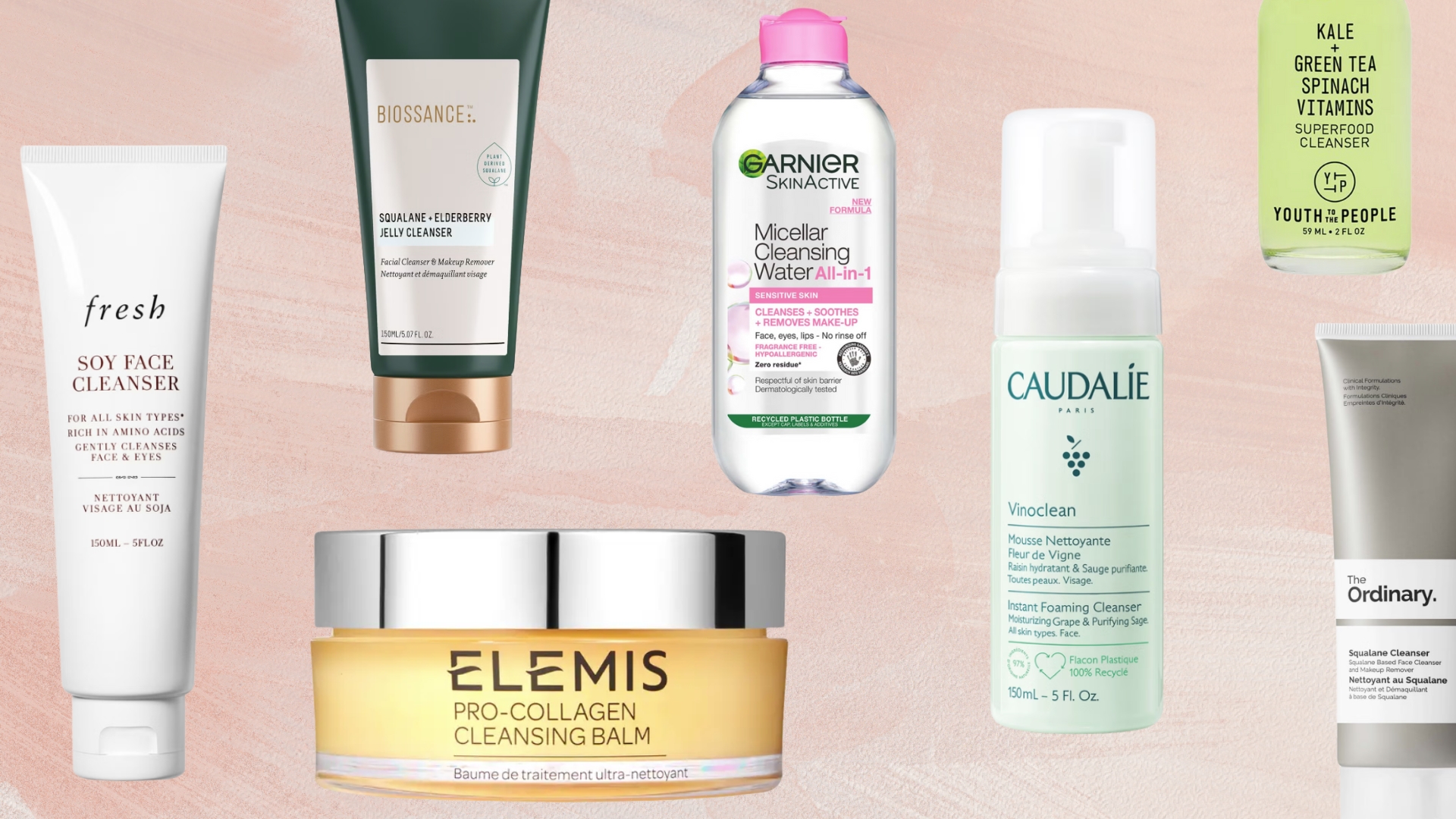
Best facial cleansers fit as the foundational first step in both morning and evening skincare routines, preparing skin for optimal absorption of subsequent products. Evening double cleansing removes makeup/SPF; morning refresh clears overnight buildup—always followed by toner, serums, moisturizer, and SPF.
Morning Routine Position
First step after waking: gentle foaming cleanser on wet skin removes sebum and sweat. Preps clean canvas for vitamin C serums, eye cream, moisturizer, SPF. 30-60 second massage refreshes without stripping daytime barrier.
Evening Routine Essential
Double cleanse for SPF/makeup: oil cleanser first dissolves barriers, water-based second clears residue. Single gentle cleanse for light days. Immediately follow with exfoliant (2-3x weekly), tretinoin, or hydrating actives.
Layering Order Integration
Cleanser → Toner (pH balance) → Thin serums (vitamin C, hyaluronic) → Thicker treatments (retinoids) → Eye cream → Moisturizer → Face oil. Clean base ensures 2-3x better penetration of actives.
Weekly Treatment Timing
Exfoliating cleansers replace regular ones 2-3x weekly evenings post-oil cleanse. Enzyme or mild acid formulas enhance turnover before repair-focused night products.
Conclusion
Facial cleansers anchor routines as first step morning/evening, enabling proper layering from thinnest-to-thickest textures. Consistent positioning maximizes efficacy across basic 3-step or full 10-step regimens.
FAQs
Morning cleanser duration and purpose?
Gentle 30-60 second massage with foaming or gel cleanser removes overnight sebum, sweat, and dead skin cells accumulated during sleep. This refresh prevents midday oiliness and creates optimal base for vitamin C serums and SPF absorption without daytime stripping.
Evening double cleanse order and when required?
Oil/balm cleanser first dissolves waterproof SPF, foundation, and sebum (1 minute massage on dry skin), followed by water-based foaming or gel cleanser (60 seconds on wet skin) to remove residue. Essential for heavy makeup, high SPF (50+), or urban pollution exposure; single cleanse suffices for bare skin days.
Post-cleanser wait time before next step?
30 seconds maximum—pat face dry with clean towel, then immediately apply toner to restore pH balance and capture actives before skin tightens. Prolonged waiting allows environmental exposure and reduces serum efficacy.
Exfoliating cleanser frequency and best timing?
Replace regular cleanser 2-3 times weekly during evening routines after oil cleanse. Enzyme (papain/bromelain) or mild AHA/BHA formulas enhance cell turnover before night repair products like tretinoin; avoid mornings to prevent sensitivity under SPF.
Basic 3-step routine sequence for beginners?
- Cleanser (60 seconds massage) → 2. Toner (cotton pad or hands) → 3. Moisturizer (AM add SPF 30+). This minimalist approach yields 80% results of complex routines while building consistency.
Advanced night order for anti-aging routines?
Oil cleanser → Water-based cleanser → Exfoliant AHA/BHA (2-3x weekly) → Toner → Vitamin C serum → Prescription tretinoin (wait 20 minutes) → Hyaluronic acid → Peptide serum → Eye cream → Ceramide moisturizer → Facial oil seal. Thin-to-thick rule optimizes penetration.
Dry skin morning cleanser recommendations and technique?
Hydrating cream cleansers (CeraVe Hydrating, La Roche-Posay Toleriane) massaged 45 seconds on wet skin preserve lipids while removing light overnight buildup. Avoid foaming gels; follow immediately with hyaluronic serum to lock moisture.
Travel routine simplification with multi-taskers?
Single micellar water or 2-in-1 cleansing balm (Bioderma, Clinique Take The Day Off) handles oil + water steps in one pass. Hotel sink massage 60 seconds, cotton pad wipe—pairs with travel-size toner/moisturizer for 3-step compliance.
Over-layering avoidance and cleanser role?
Follow thin-to-thick texture progression; cleanser creates receptive surface preventing pilling or poor absorption. Limit to 5-7 products maximum—quality over quantity yields better results than 10+ incompatible layers.
Cleanser expiration signs and replacement schedule?
Replace every 6-12 months or when texture changes, scent alters, or separation occurs. Pump dispensers extend life; avoid dipping fingers to prevent contamination. Clinical efficacy drops post-expiration.

