I’ve had oily skin my entire adult life. By noon, my face looked like I’d rubbed it with olive oil. Tried every mattifying product, oil-control cleanser, and astringent marketed to oily skin. Most made the problem worse.
The conventional wisdom about oily skin – strip away all oil, use harsh cleansers, wash frequently – is almost completely wrong. Took me years to figure out that my aggressive oil-fighting routine was actually triggering more oil production.
Once I switched to gentler, more balanced cleansers, my oil production normalized within weeks. Still have oily skin – that’s genetic – but it’s manageable now instead of constantly shiny and breaking out.
Why Oily Skin Produces Excess Oil
Genetics play the biggest role – some people just have more active sebaceous glands. Can’t change that, but you can avoid making it worse with your skincare routine.
Stripping all oil from your skin triggers rebound oil production. Your skin detects the loss of protective oils and compensates by producing even more. It’s a vicious cycle that harsh cleansers perpetuate.
I was washing my face three, sometimes four times daily with “oil-free” and “deep cleaning” products. My skin was shinier than ever. Thought I needed even stronger products. Actually needed to stop attacking my skin.
Dehydration differs from dryness but causes similar compensatory oil production. Your skin can be oily on the surface but dehydrated underneath, producing more oil trying to protect itself from moisture loss.
Hormones, stress, and diet all influence oil production, but your cleansing routine either helps manage it or makes it substantially worse regardless of other factors.
What Oily Skin Actually Needs From Cleansers
Effective oil removal without complete stripping sounds contradictory but it’s the key. You want to remove excess surface oil and debris while leaving enough natural oils to maintain your barrier function.
Salicylic acid is legitimately helpful for oily skin because it’s oil-soluble. It penetrates pores and helps dissolve sebum and dead skin cells that would otherwise clog them and cause breakouts.
I switched to a salicylic acid cleanser at half the concentration of what I’d been using and got better results. Turns out, 2% is overkill for daily use. 0.5-1% works without irritation.
Foaming cleansers work well for oily skin if they’re properly formulated. The key is gentle surfactants that create foam without sulfates that strip everything. Check ingredients, not just product claims.
Many people recommend quality formulas that balance oil control with skin barrier protection – the combination oily skin actually needs instead of harsh stripping.
Ingredients That Help Versus Harm
Niacinamide in cleansers helps regulate sebum production over time. Won’t see overnight results, but consistent use reduces oiliness noticeably within 4-6 weeks. Also helps with enlarged pores common in oily skin.
Clay-based cleansers absorb excess oil without harsh chemicals. Kaolin or bentonite clay provide gentle oil control while removing impurities. They rinse clean without leaving residue that can clog pores.
Avoid alcohol-heavy formulas even though they feel like they’re drying up oil. They provide temporary mattifying effect but trigger rebound oil production and damage your skin barrier long-term.
Sulfates create that squeaky-clean feeling oily-skinned people think they need. Actually, they’re stripping your skin and making oil production worse. Took me forever to accept that “clean” shouldn’t feel tight.
Fragrance and essential oils often irritate oily skin and trigger inflammation that increases oil production. Even though they smell nice, they’re working against your goals.
The Right Cleansing Frequency
Twice daily is sufficient for most oily skin – morning and evening. Washing more frequently strips your skin and triggers the rebound oil production cycle you’re trying to avoid.
I used to wash my face every time it looked shiny, sometimes five or six times daily. My skin was an oil slick by evening anyway. Cutting back to twice daily actually reduced overall oiliness.
Blotting papers between washes remove excess surface oil without disrupting your skin barrier. Way better than constantly washing. I keep them in my desk and car for midday touch-ups.
Morning cleansing removes overnight oil production and prepares skin for daytime products. Evening cleansing removes sunscreen, pollution, and daily accumulation. Both serve specific purposes.
Don’t over-cleanse trying to prevent oil production – you’ll just make it worse. Your skin is smarter than your cleanser and will always compensate for what you strip away.
How To Know If Your Cleanser Is Working
Reduced shine throughout the day is the most obvious sign. You’re not going to be matte if you’re genetically oily, but you shouldn’t look greasy two hours after washing.
Fewer breakouts indicate your cleanser is effectively preventing pore clogging without causing irritation that triggers inflammation. Oily skin and acne often go together, and the right cleanser helps both.
Your skin shouldn’t feel tight or irritated after cleansing. Clean but comfortable is the goal. That stripped, squeaky feeling means your cleanser is too harsh even for oily skin.
Makeup and sunscreen should apply smoothly after cleansing. If products pill or slide around, your cleanser might be leaving residue or over-stripping and causing texture issues.
I noticed my oil production became more predictable instead of random once I found the right cleanser. Still oily by afternoon, but consistent and manageable instead of varying wildly day to day.
Double Cleansing For Oily Skin
Evening double cleansing works brilliantly for oily skin, especially if you wear sunscreen or makeup. First cleanse removes products, second cleanse actually cleans your skin.
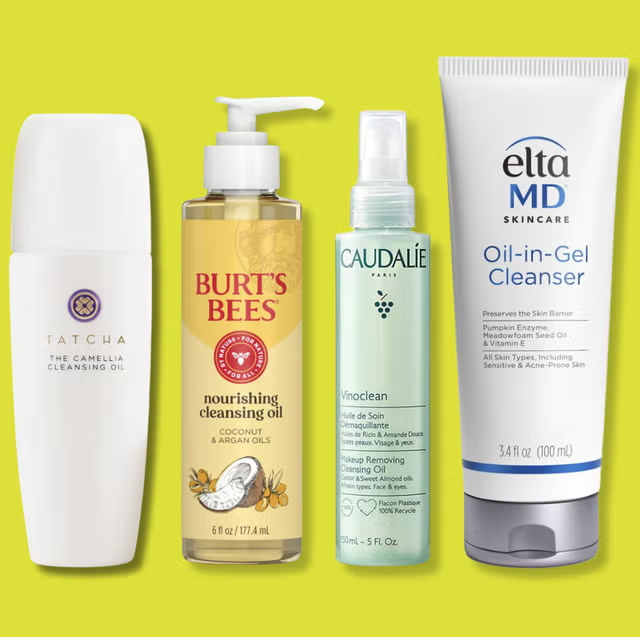
Use an oil-based or balm cleanser first – sounds counterintuitive for oily skin but works perfectly. Oil dissolves oil-based products like sunscreen and makeup more effectively than foaming cleansers.
Follow with your regular salicylic acid or foaming cleanser. This removes the first cleanser plus any remaining debris. Your skin ends up cleaner than single cleansing ever achieved.
I resisted oil cleansing for years because I couldn’t imagine putting more oil on my already oily skin. Finally tried it and was shocked – my skin was cleaner and less oily overall.
Don’t double cleanse in the morning – overkill and unnecessary. Evening only, when you’ve got sunscreen and daily buildup to remove.
Wrapping This Up
Oily skin needs balanced cleansing that controls excess oil without triggering the rebound production that makes everything worse. Harsh stripping is counterproductive even though it feels like it’s working.
The right ingredients – salicylic acid, niacinamide, clay – provide oil control without damaging your barrier. Avoid sulfates, alcohol, and fragrance that create short-term results but long-term problems.
Twice-daily cleansing with appropriate products beats frequent washing with harsh formulas every time. Your skin needs consistency and gentleness, not aggressive oil warfare.
Give new cleansers at least a month before judging results. Your skin needs time to stop overproducing oil in response to previous harsh treatment. Improvement is gradual but lasting.